
Pediatric Respiratory Care

Asthma & Cough Treatment

Child-focused evaluation and personalised guidance for recurring cough, wheezing, breathing difficulty and childhood asthma symptoms.

Childhood Asthma and Persistent Cough Care

Childhood asthma is the same type of lung condition seen in adults, but children may experience different symptoms and may find it harder to explain how they feel. Doctors may also refer to this condition as pediatric asthma.

A child’s lungs and airways can become inflamed during a cold or after exposure to triggers such as pollen, dust, smoke, weather changes or physical activity. These symptoms can affect sleep, play, school and everyday routines. Severe attacks may require urgent medical attention.

Although childhood asthma may require ongoing management, a personalised care plan can help reduce symptoms, limit attacks and support healthy activity and lung development.
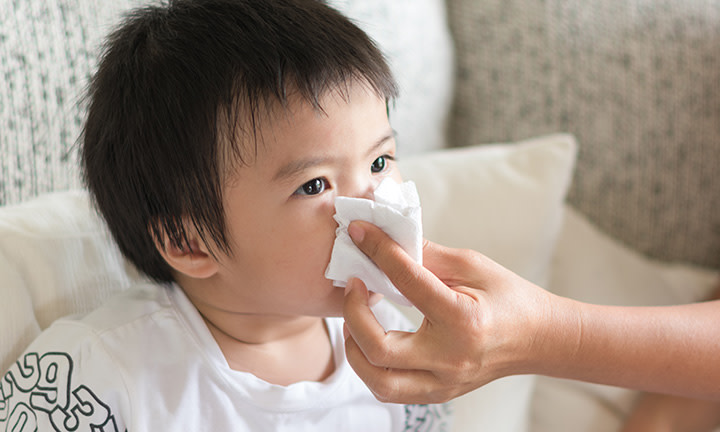
Child receiving assessment for asthma and cough symptoms

Signs and Symptoms of Childhood Asthma

Symptoms can vary from one child to another and may also change between episodes. Common signs include:

  • A cough that does not go away
  • Frequent coughing during play or exercise
  • Night-time coughing or disturbed sleep
  • Cough that worsens after a viral infection
  • Reduced energy or stopping to catch breath
  • Avoiding sports or active play
  • Rapid or difficult breathing
  • Chest tightness or discomfort
  • Grunting or feeding difficulty in infants

Childhood Asthma Treatment

Based on your child’s medical history, symptoms and the severity of the condition, the doctor may prepare an asthma action plan. This plan explains how and when medicines should be used, how to recognise worsening symptoms and when emergency care may be needed.

Keeping the action plan accessible can help parents, caregivers and teachers respond correctly when symptoms occur. Following the recommended treatment schedule and attending regular reviews are important for maintaining better symptom control.

In addition to prescribed care, limiting exposure to known triggers can help reduce attacks. Trigger management may include controlling dust, avoiding smoke, monitoring pollen exposure and taking precautions during respiratory infections or weather changes.

Personalised Pediatric Assessment

Persistent cough, wheezing or breathing difficulty should be assessed by a qualified pediatrician so that the cause and appropriate treatment can be identified.

Call WhatsApp Book